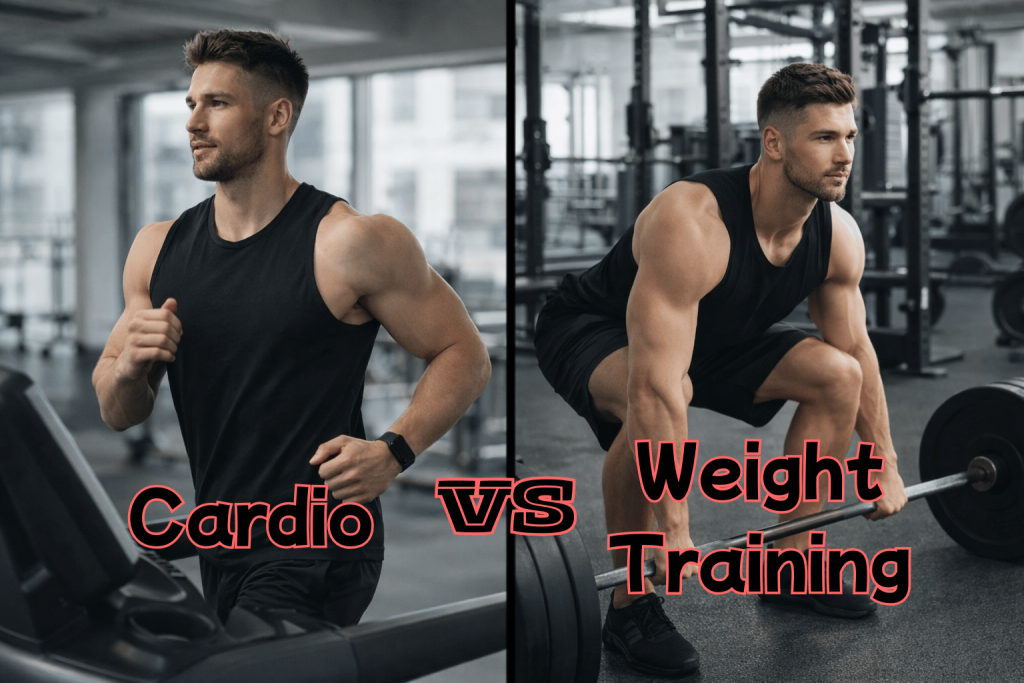
When it comes to fat loss, one of the most common questions in fitness is: cardio or weight training— which is better? Some people swear by long cardio sessions, while others focus almost entirely on lifting weights. The truth is more nuanced. Both cardio and weight training play important roles in fat loss, and understanding how they work will help you choose the best strategy for your goals.
In this in-depth guide, we’ll break down cardio vs weight training for fat loss, explain the science behind each approach, and show you how to combine them for maximum results.
Understanding Fat Loss: How the Body Burns Fat
Fat loss occurs when your body is in a calorie deficit, meaning you burn more calories than you consume. Exercise helps create this deficit, but different types of training affect your body in different ways.
Key factors that influence fat loss include:
- Total calories burned
- Muscle mass
- Hormone balance
- Metabolic rate
- Consistency over time
Both cardio and weight training can support fat loss, but they do so through different mechanisms.
What Is Cardio Training?
Cardio, also known as aerobic exercise, includes activities that raise your heart rate for an extended period of time. Common forms of cardio include:
- Running or jogging
- Walking
- Cycling
- Swimming
- Jump rope
- Rowing
- HIIT (High-Intensity Interval Training)
Cardio primarily uses oxygen to produce energy and burns calories during the activity itself.
Benefits of Cardio for Fat Loss
1. Burns Calories Quickly
Cardio is effective for burning calories in a short amount of time. A 30–45 minute cardio session can burn a significant number of calories, which helps create a calorie deficit.
2. Improves Heart Health
In addition to fat loss, cardio strengthens the heart and lungs, improves endurance, and boosts overall cardiovascular health.
3. Easy to Start for Beginners
Cardio exercises like walking or cycling are accessible and beginner-friendly, making them a great starting point for people new to fitness.
4. Effective for Short-Term Weight Loss
If your goal is rapid weight reduction, cardio can help you see quick changes on the scale—especially in the early stages.
Limitations of Cardio for Fat Loss
While cardio has benefits, relying on it alone has drawbacks:
- Burns calories only during the workout
- Can lead to muscle loss if overdone
- May slow metabolism with excessive long-duration cardio
- Time-consuming for long sessions
Too much cardio without resistance training can result in a “skinny fat” appearance—lower body weight but little muscle definition.
What Is Weight Training?
Weight training, also called resistance training, involves exercises that challenge your muscles against resistance. Examples include:
- Free weights (dumbbells, barbells)
- Machines
- Resistance bands
- Bodyweight exercises
Weight training focuses on building muscle, strength, and power.
Benefits of Weight Training for Fat Loss
1. Builds Lean Muscle Mass
Muscle is metabolically active tissue. The more muscle you have, the more calories your body burns at rest. This means weight training increases your basal metabolic rate.
2. Boosts Fat Burning After Workouts
Weight training creates an effect known as EPOC (excess post-exercise oxygen consumption), where your body continues to burn calories for hours after the workout.
3. Improves Body Composition
Instead of just losing weight, weight training helps you lose fat while maintaining or building muscle, resulting in a leaner and more defined physique.
4. Prevents Muscle Loss During Dieting
When in a calorie deficit, the body may break down muscle. Weight training sends a signal to preserve muscle mass while burning fat.
Limitations of Weight Training for Fat Loss
- Burns fewer calories during the session compared to cardio
- Requires learning proper form
- Progress may feel slower on the scale
However, the visual and metabolic benefits often outweigh these limitations.
Cardio vs Weight Training: Direct Comparison
Calories Burned
- Cardio: Higher calorie burn during the workout
- Weight Training: Lower during workout, higher after due to EPOC
Muscle Preservation
- Cardio: Risk of muscle loss if excessive
- Weight Training: Preserves and builds muscle
Metabolism Boost
- Cardio: Temporary
- Weight Training: Long-term metabolic increase
Sustainability
- Cardio: Can become repetitive
- Weight Training: Progressive and motivating
Which Is Better for Fat Loss?
The honest answer: both.
If your goal is fat loss while maintaining a healthy, strong body, the best approach is a combination of cardio and weight training.
Why Combining Both Works Best
- Cardio increases calorie burn
- Weight training builds muscle and boosts metabolism
- Together they improve endurance, strength, and body composition
Best Cardio Types for Fat Loss
1. HIIT (High-Intensity Interval Training)
HIIT alternates short bursts of intense effort with rest periods. It burns a lot of calories in less time and preserves muscle mass.
2. Low-Intensity Steady-State (LISS)
Walking or light cycling for 30–60 minutes helps burn fat with minimal stress and supports recovery.
Best Weight Training Style for Fat Loss
- Compound movements (squats, deadlifts, presses)
- Moderate weights with controlled rest
- Full-body or upper/lower splits
- Progressive overload
Weight training 3–4 times per week is ideal for fat loss.
Sample Weekly Workout Plan for Fat Loss
- Monday: Weight training (full body)
- Tuesday: Cardio (HIIT)
- Wednesday: Rest or active recovery
- Thursday: Weight training (upper/lower)
- Friday: Cardio (LISS)
- Saturday: Weight training
- Sunday: Rest
Nutrition Matters More Than Exercise
No training plan can outwork a poor diet. For effective fat loss:
- Eat enough protein
- Maintain a moderate calorie deficit
- Stay hydrated
- Prioritize whole foods
Exercise supports fat loss, but nutrition drives it.
Common Myths About Cardio and Weight Training
Myth 1: Cardio Is the Only Way to Lose Fat
Fat loss depends on calorie balance, not just cardio.
Myth 2: Lifting Weights Makes You Bulky
Muscle growth requires specific training and nutrition. Weight training improves shape, not bulk.
Myth 3: You Must Do Cardio Every Day
Too much cardio can slow recovery and increase injury risk.
Final Verdict: Cardio or Weight Training for Fat Loss?
Cardio burns calories and improves heart health. Weight training builds muscle and increases metabolism. The best fat loss results come from combining both intelligently.
If you want long-term fat loss, a lean physique, and better overall fitness, focus on strength training as your foundation and use cardio as a powerful tool—not the only solution.
For more expert guidance, explore our Workouts & Training and Nutrition & Diet sections to support your fat loss journey.